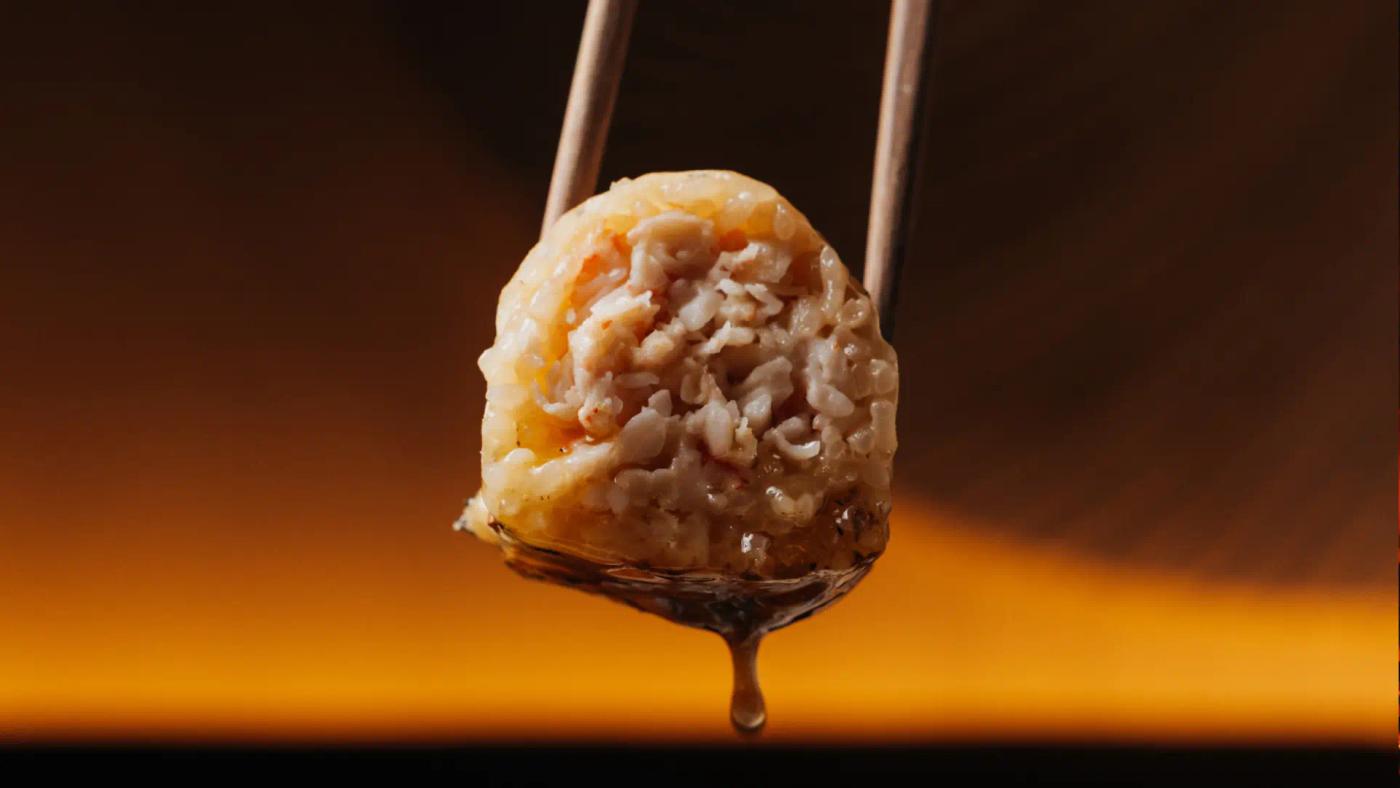
Can you dip sushi rice in soy sauce?
If you've ever eaten sushi with someone particularly enthusiastic about Japanese gastronomy, you might have been corrected before even taking the first bite: "Don't dip the rice in the soy sauce." It is one of the most repeated tips on how to eat sushi, but is it really a rule? Is it wrong to do so?
The short answer is that you can eat sushi however you enjoy it most. The long answer is that behind that recommendation lies an explanation, and it has much more to do with the balance of flavors than with a strict etiquette protocol.
Why is it recommended not to dip the rice?
Rice is much more than just an accompaniment to the fish: for many Japanese masters, it is the true heart of sushi. Each grain is cooked, seasoned, and pressed to achieve a specific texture, firm yet light, compact yet capable of melting in the mouth. When you dip a nigiri directly into soy sauce, that rice acts as a sponge and absorbs much more liquid than it needs.
The result is twofold: the piece loses part of its texture, and the flavor of the soy ends up masking that of the fish. For this reason, it is traditionally recommended to tilt the nigiri slightly and let it be the fish that comes into contact with the sauce.
Not all nigiris need soy sauce
Another detail that often goes unnoticed is that some pieces arrive at the table already perfectly seasoned. In Japan, it is common for the itamae —the sushi chef— to add a brush of soy sauce, a reduction, sea salt, yuzu, or any other seasoning before serving, so dipping them again doesn't always improve the result. The idea is not to follow a rule just for the sake of it, but to first trust the balance sought by the person who prepared that bite.
And what about makis?
Makis and uramakis tend to handle soy sauce better: since they have nori seaweed and a more compact structure, they are less likely to fall apart. Even so, the recommendation remains the same: use it with moderation.
In Japanese cuisine, soy sauce is not intended to hide the flavor of the fish, but to enhance it, just like salt in many Western cuisines: the right amount changes everything.
Each fish requires a different treatment
Not all fish react the same way either. A fatty tuna like the belly (ventresca) might appreciate a few drops to enhance its umami, while a scallop, a Japanese sea bream, or a hamachi stand out precisely for their delicacy, and there, an excess of soy sauce overpowers all the nuances.
So, is dipping the rice forbidden?
Not at all. Japanese gastronomy has tradition, technique, and a great deal of respect for the product, but it also has common sense, and no one will take your chopsticks away for enjoying a nigiri with a little extra soy sauce. That said, it is worth trying each piece as it was intended; often, you will discover that it doesn't need anything else. In the end, the best etiquette consists of appreciating the work behind each bite.
Discover sushi through the product
If you want to know Japanese cuisine beyond the clichés, at Arko, we work with fish and seafood chosen for their quality and seasonality, and we take care of the balance of each preparation from the rice to the final seasoning. If you prefer to be guided, our omakase menu puts those decisions in the hands of the chef. Come visit us and let yourself be carried away by a proposal where every detail is designed to be enjoyed from start to finish.
Frequently Asked Questions
- Can you dip sushi rice in soy sauce? You can, it is not a serious offense. The issue is that the rice absorbs much more sauce than necessary, loses texture, and the flavor of the soy ends up masking the fish. That is why it is recommended to tilt the nigiri and dip only the fish side.
- How do you eat a nigiri correctly? Pick it up with your fingers or chopsticks, turn it slightly so that the fish touches the soy sauce, and bring it to your mouth with that side down, in a single bite. And if the piece is already seasoned, it is better to try it as is.
- Where to eat sushi in Barcelona? At Arko Restaurant, at 63 Enric Granados Street in the Eixample, we work with seasonal fish and balanced preparations where the soy sauce accompanies the product instead of masking it.